Home · Services · Dock, Pool & Outdoor Electrical
Dock, Pool & Outdoor Electrical in Port Orange, FL
Quick answer
Where docks, boat lifts, and pools sit close to the creek and lagoon, water and electricity need extra separation and protection. Bonding, GFCI coverage, and weather-tight boxes get checked as one system, because salt-tinged air and daily rain punish shortcuts.
Dock, Pool & Outdoor Electrical in Port Orange starts with the local read: ranch and block homes in the established neighborhoods, newer subdivision homes in the growth sections, condo and townhome stock near the creek and the corridors, and apartment buildings along the main roads. The Spruce Creek side of the service area and the city's hot humid summers with daily storms and lightning, mild winters, and hurricane season exposure set the order of work, and the scope names that order in writing before anyone commits to a price.
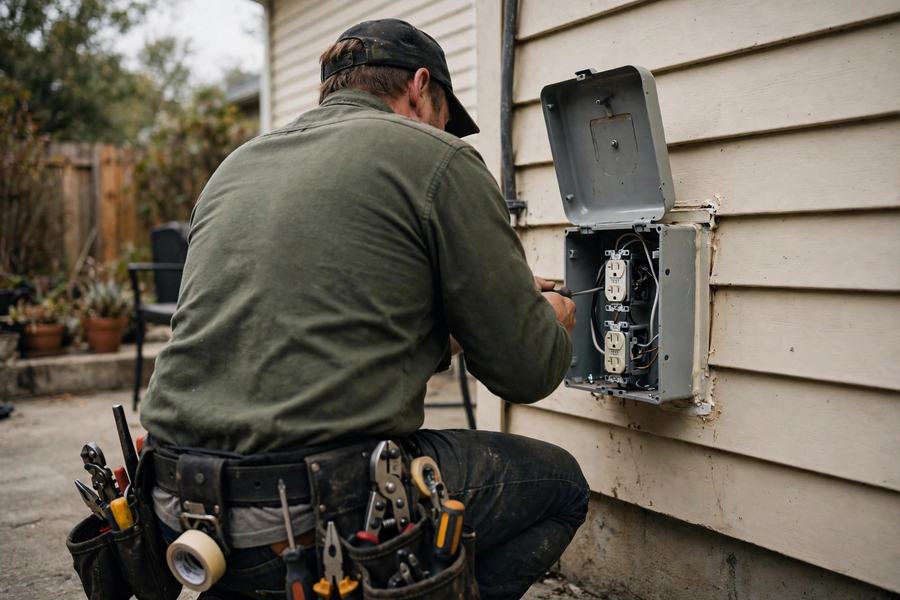
How we approach this job
Diagnosis and insurance documentation: For dock, pool & outdoor electrical in Port Orange, the buying situation is a problem with a cause: find the real source, document it with photographs and readings for any claim, and only then price the fix.
Signs you need dock, pool & outdoor electrical
- Dock lighting out, or shore power pedestals damaged by weather. It usually means a tripping outdoor circuit is often the protection working, not failing.
- Outdoor outlets and landscape lighting killed by water intrusion. It usually means water has entered devices never meant to hold it; the correction is replacement with in use covers and GFCI protection.
- A new dock, lift, or pool project that needs power run to code from the start. It usually means new power at the water's edge is a permit and bonding job from the trench up, priced as one scope.
- A boat lift that trips its GFCI, runs slowly, or has corroded controls. It usually means water and power share this equipment, so protection and bonding are the safety core.
What the job involves
What affects the price
- Distance of the run from the panel and what it crosses (seawall, deck, landscape)
- Equipment class: lift size, pump and heater loads, lighting count
- Corrosion scope found at inspection, which decides repair versus replacement of runs
- Permit and inspection requirements for waterfront and pool work
When it is an emergency
A GFCI that trips at a dock or pool is protecting against a real fault until proven otherwise: do not bypass it, and keep swimmers away from the water near a faulting dock until it is assessed; electric shock drowning is silent and is exactly what the protection exists to prevent. Storm damaged shore power and pedestals are call today work after the weather clears.
PLACEHOLDERDock, Pool & Outdoor Electrical across the Port Orange area
Related services
Emergency Electrical Repair
When a panel runs hot or a storm knocks power sideways in Port Orange, the check starts at the meter before anything is reset. Older ranch blocks and fast-filling newer homes fail differently, so the fault trace follows the house, not a script.
Breaker Panel Replacement & Upgrades
Many established ranch houses still run their first panel while subdivisions added in the growth years filled theirs within months. Replacement sizing looks at hangar, shop, and pool loads already planned, plus grounding and permit steps written out plainly.
Whole-Home Surge Protection
Afternoon lightning is routine here, and one strike can take a well control, an air handler board, and kitchen appliances together. A single device fitted at the panel is scoped for creek-side condos and detached houses alike, with limits explained upfront.
Generator Hookup & Installation
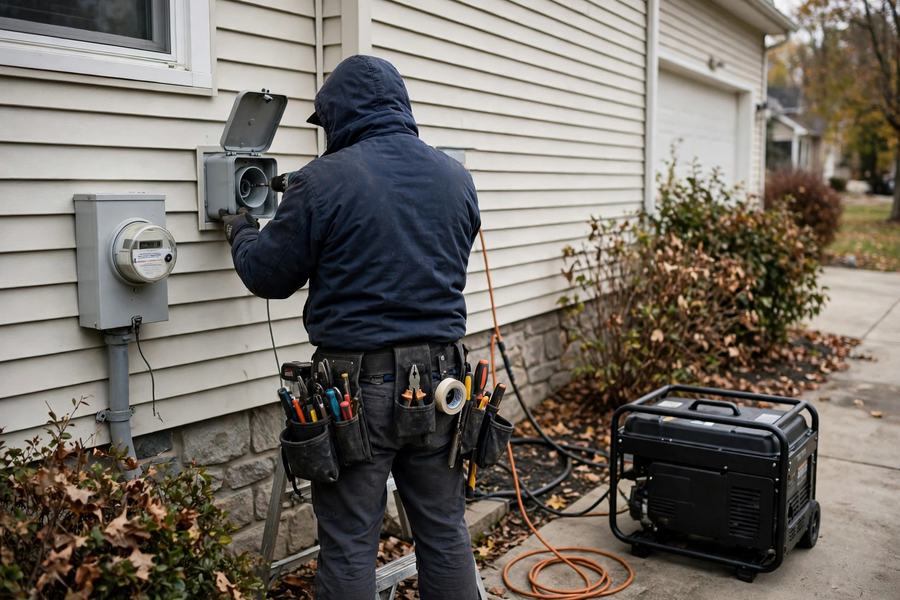
Hurricane outages push the question down to essentials: keep food cold, keep lights on, keep one way to stay cool. Hookups are sized to that short list through an interlock or transfer switch, never through a risky backfeed cord.
Dock, Pool & Outdoor Electrical questions, answered
When is dock, pool & outdoor electrical an emergency?
A GFCI that trips at a dock or pool is protecting against a real fault until proven otherwise: do not bypass it, and keep swimmers away from the water near a faulting dock until it is assessed; electric shock drowning is silent and is exactly what the protection exists to prevent. Storm damaged shore power and pedestals are call today work after the weather clears.
What affects the price of dock, pool & outdoor electrical in Port Orange?
The main price factors for dock, pool & outdoor electrical are covered in the cost section above. The contractor confirms the exact price in a written estimate after seeing the job, and nothing is owed until you approve it. The call and the referral are free.
How long does electrical work in Port Orange take?
Small device and circuit repairs are often completed in a single visit. Replacing a panel in Port Orange typically takes one day of work, plus permit and inspection time in Volusia County, so expect days to a couple of weeks on the calendar, most of it waiting rather than labor. Fitting a generator inlet usually takes half a day to a day. Your written scope should list work days apart from permit days so the timeline is clear before work begins.
How much does an electrician cost in Port Orange?
National published guides commonly list electricians at $50 to $100 or more per hour plus a trip or service fee, and small jobs such as replacing a device or tracing a fault often total $150 to $400. For larger work in Port Orange, panel replacement commonly falls between $1,300 and $3,000, a generator interlock or transfer switch hookup between $500 and $1,500, whole-home surge protection at a few hundred dollars installed, and a whole-home standby generator at $10,000 to $15,000 or more installed. Compare written prices given after an assessment, with permit costs shown separately.
My breaker keeps tripping. What does it mean, and can I just keep resetting it?
Three causes account for most trips: too much load on the circuit, a short or ground fault somewhere on it, or a breaker that has itself worn out. Unplug the loads and reset once if you want a basic check. A breaker that trips right away, trips with nothing plugged in, or feels warm to the touch is flagging a fault, and forcing it again and again can turn a protective device into a hazard. Tracing normally starts at the panel and then moves through that circuit's outlets and junctions until a specific device, damaged wire, or failing appliance explains it.
Request a callback
Prefer to talk later? Leave your details and an independent local pro will call you back. No charge to you, no obligation.
Spruce Creek Electric is a free referral service. Submitting this form connects you with independent local contractors who provide the work.